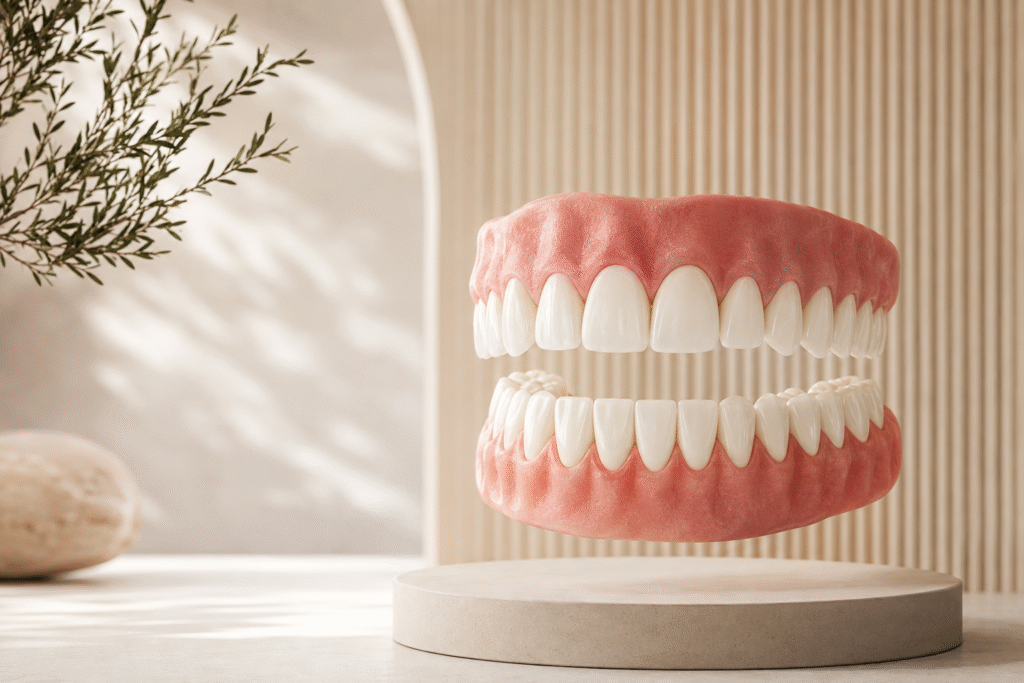
If you have multiple damaged, worn, or missing teeth, eating, speaking, and smiling can become difficult. A personalized Full Mouth Rehabilitation Care plan is designed to restore your oral health, comfort, and confidence. If you’re considering full mouth restoration in Hinjewadi Phase 3, understanding each step of the treatment process can help you feel prepared and confident.
At Dentist in Hinjewadi, every treatment plan is customized based on your oral health, dental goals, and overall well-being. This guide explains what happens during a complete full mouth rehabilitation, from consultation to your final smile.
What Is Full Mouth Rehabilitation?
Full Mouth Rehabilitation Care is a comprehensive dental treatment that rebuilds or restores all or most of the teeth in the upper and lower jaws. It combines multiple dental procedures to improve function, appearance, and long-term oral health.
Depending on your needs, treatment may include:
- Dental implants
- Dental crowns
- Bridges
- Veneers
- Root canal treatment
- Gum treatment
- Tooth extraction
- Orthodontic correction
- Bite correction
Patients seeking full mouth restoration in Hinjewadi Phase 3 often require a combination of these procedures to achieve lasting results.
Why Might You Need Full Mouth Rehabilitation?
Several dental conditions may require complete rehabilitation, including:
- Multiple missing teeth
- Severely worn teeth
- Broken or fractured teeth
- Chronic jaw pain
- Bite misalignment
- Advanced gum disease
- Failed dental restorations
- Extensive tooth decay
- Dental trauma due to accidents
Rather than treating one problem at a time, Full Mouth Rehabilitation Care addresses every issue through one carefully planned treatment approach.
How Does the Initial Consultation Work?
The first appointment focuses on understanding your oral health and treatment goals.
During this visit, your dentist will:
- Examine your teeth and gums
- Evaluate your bite
- Take digital X-rays
- Capture intraoral photographs
- Discuss your medical history
- Understand your expectations
- Recommend suitable treatment options
A complete diagnosis ensures that every stage of rehabilitation is planned accurately.
Why Are Digital Scans and X-Rays Important?
Advanced imaging plays a major role in planning treatment.
Your dentist may recommend:
- Digital dental X-rays
- 3D CBCT scan
- Intraoral scanner
- Smile analysis photographs
These images help evaluate:
- Bone quality
- Gum condition
- Existing restorations
- Tooth roots
- Jaw alignment
- Implant placement possibilities
Accurate diagnostics reduce complications and improve long-term treatment success.
How Is Your Personalized Treatment Plan Created?
No two smiles are the same.
After reviewing your oral condition, your dentist prepares a customized treatment plan that may include:
- Number of appointments
- Required procedures
- Estimated treatment duration
- Healing periods
- Cost estimation
- Maintenance recommendations
Every step is explained before treatment begins so you know exactly what to expect.
What Happens Before Restorative Treatment Begins?
Before placing crowns, implants, or veneers, your mouth must be healthy.
Preparatory treatments may include:
- Professional teeth cleaning
- Scaling and root planing
- Gum disease treatment
- Tooth extraction
- Root canal therapy
- Temporary restorations
Creating a healthy foundation is an important part of successful Full Mouth Rehabilitation Care.
How Are Missing Teeth Replaced?
Replacing missing teeth restores chewing ability and facial appearance.
Depending on your oral condition, treatment options include:
Dental Implants
Dental implants replace missing tooth roots and support crowns, bridges, or dentures.
Benefits include:
- Natural appearance
- Long-lasting results
- Improved chewing
- Bone preservation
- Better speech
Many patients choose full mouth restoration in Hinjewadi Phase 3 because implant-supported restorations offer excellent stability.
Dental Bridges
Bridges replace one or more missing teeth when implants may not be suitable.
Complete or Partial Dentures
Modern dentures restore function while improving aesthetics and comfort.
How Are Damaged Teeth Restored?
Teeth that are cracked, worn, or weakened can often be saved.
Common restorative procedures include:
Dental Crowns
Crowns protect weakened teeth while restoring their shape and strength.
Veneers
Porcelain veneers improve the appearance of front teeth by correcting discoloration, gaps, or uneven shapes.
Tooth-Colored Fillings
Composite fillings restore cavities while maintaining a natural appearance.
How Is Your Bite Corrected?
An uneven bite can cause:
- Jaw pain
- Headaches
- Tooth wear
- Difficulty chewing
Your dentist carefully adjusts your bite using:
- Crowns
- Orthodontic treatment
- Bite equilibration
- Restorative procedures
A balanced bite improves both comfort and long-term oral health.
What Happens During the Final Smile Restoration?
After healing is complete, permanent restorations are placed.
This stage includes:
- Final implant crowns
- Ceramic crowns
- Bridges
- Veneers
- Bite adjustments
- Smile evaluation
Your dentist ensures:
- Comfortable chewing
- Proper speech
- Natural aesthetics
- Stable bite
- Functional smile
The result is a healthier, more confident smile.
How Should You Care for Your Restored Smile?
Long-term success depends on good oral hygiene.
Follow these tips:
- Brush twice daily
- Floss every day
- Visit your dentist every six months
- Avoid chewing hard objects
- Wear a night guard if advised
- Quit smoking
- Maintain a healthy diet
Proper care helps your restorations last for many years.
Frequently Asked Questions (FAQs)
1. How long does full mouth rehabilitation take?
Treatment may take anywhere from several weeks to several months depending on the procedures involved and healing time.
2. Is full mouth rehabilitation painful?
Most procedures are performed under local anesthesia, ensuring minimal discomfort. Your dentist will also provide guidance for post-treatment care.
3. Who is a good candidate for full mouth rehabilitation?
Anyone with multiple missing, damaged, worn, or severely decayed teeth may benefit after a detailed dental examination.
4. Can dental implants be included in rehabilitation?
Yes. Dental implants are one of the most common components of Full Mouth Rehabilitation Care.
5. How long do full mouth restorations last?
With proper oral hygiene and regular dental checkups, restorations can last many years.
Final Thoughts
A healthy smile is about more than appearance it supports comfortable eating, clear speech, and long-term oral health. Full Mouth Rehabilitation Care combines advanced dental procedures into one personalized treatment plan that restores both function and confidence. If you’re considering comprehensive dental treatment, choosing experienced professionals ensures predictable and lasting results. Whether you need implants, crowns, bridges, or bite correction, a carefully planned approach can transform your smile and improve your quality of life.
Connect With Us
Dentoface – Advanced Dental & Facial Aesthetics
Address:
Capital Market, Road, next to Datta Mandir, Phase 3, Hinjewadi Rajiv Gandhi Infotech Park, Hinjewadi, Pune, Maharashtra 411057
Phone: +91 9322380886
Email: dentofacepune@gmail.com
Website: https://dentoface.in/
Book your consultation today to learn how a customized full mouth rehabilitation plan can restore your smile and oral health.