A healthy smile is not just about looking good—it plays a crucial role in your overall health and confidence. Many people visit the dentist only when they experience pain or visible dental problems, but by then, the issue may already be advanced. Regular dental checkups help prevent dental problems, detect issues early, and maintain long-term oral health. Scheduling a dental checkup Hinjewadi on a routine basis is one of the simplest yet most effective steps you can take to protect your smile.
What Is a Regular Dental Checkup?
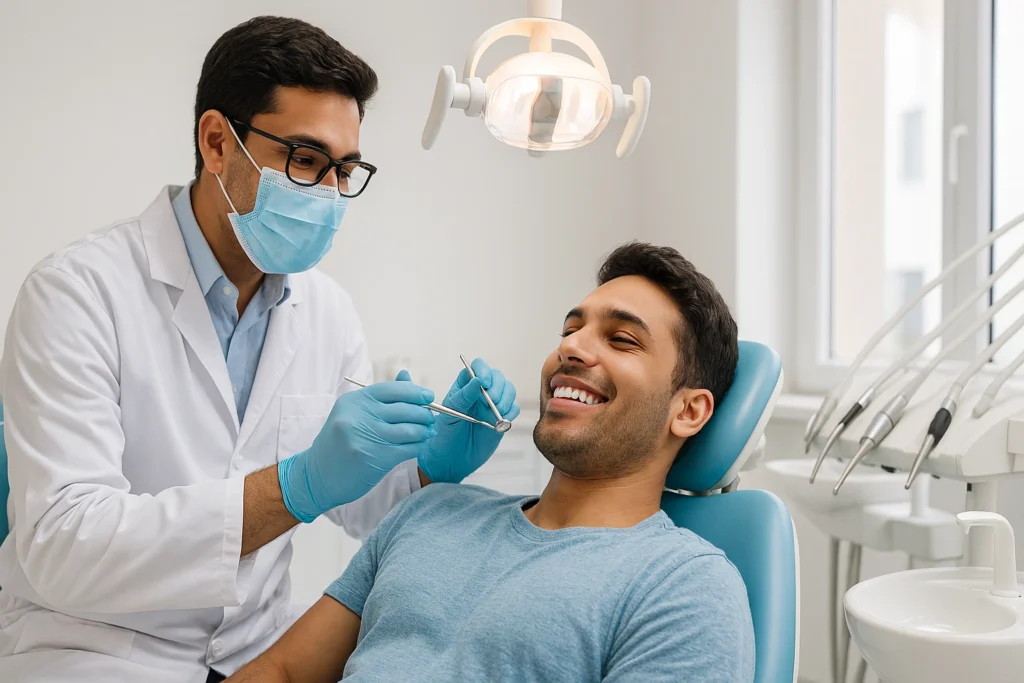
A regular dental checkup is a preventive dental visit where your dentist examines your teeth, gums, jaw, and overall oral cavity. It usually includes:
- Thorough examination of teeth and gums
- Professional cleaning to remove plaque and tartar
- Screening for cavities, gum disease, and oral infections
- Checking existing dental restorations
- Advice on oral hygiene and diet
These visits are designed to prevent problems before they become painful, costly, or complex.
Early Detection of Dental Problems
One of the biggest advantages of regular dental checkups is early detection. Dental issues such as cavities, gum disease, and enamel wear often begin silently, without noticeable symptoms. A dentist can identify these problems in their initial stages, making treatment simpler and more affordable.
For example, a small cavity detected early can be treated with a simple filling. If ignored, it may progress to severe pain, infection, or even require root canal treatment or tooth extraction. Regular dental visits act as a safeguard against such complications.
Prevention Is Better Than Cure
Preventive dental care saves time, money, and discomfort. During a dental checkup, professional cleaning removes plaque and tartar that cannot be eliminated by brushing and flossing alone. These deposits are a major cause of cavities and gum disease.
Regular cleanings help prevent:
- Tooth decay
- Gingivitis and periodontitis
- Bad breath
- Tooth loss
By investing in preventive care, you reduce the risk of extensive dental procedures in the future.
Maintaining Healthy Gums
Healthy gums are the foundation of a healthy smile. Gum disease often starts as mild inflammation but can progress to serious conditions that affect the bone supporting your teeth. Symptoms like bleeding gums, swelling, and bad breath are often overlooked.
A routine dental visit helps monitor gum health and ensures early management of any gum-related issues. This not only protects your teeth but also reduces the risk of systemic health problems linked to gum disease, such as diabetes and heart disease.
Professional Advice for Better Oral Hygiene
Even if you brush twice a day and floss regularly, you may still be making small mistakes in your oral care routine. During a dental checkup, your dentist provides personalized guidance based on your oral health needs.
You may receive advice on:
- Correct brushing and flossing techniques
- Choosing the right toothbrush and toothpaste
- Diet tips to protect teeth from decay
- Habits to avoid, such as teeth grinding or excessive sugar intake
This expert guidance helps you maintain better oral hygiene at home between visits.
Oral Health and Overall Health Connection
Oral health is closely linked to overall health. Infections in the mouth can affect other parts of the body if left untreated. Regular dental checkups help identify signs of oral conditions that may be linked to systemic diseases.
Studies have shown a connection between poor oral health and conditions such as:
- Heart disease
- Diabetes
- Respiratory infections
- Pregnancy complications
By attending routine dental visits, you contribute to both oral and general well-being.
Dental Checkups for All Age Groups
Dental checkups are important at every stage of life. Children benefit from early monitoring of tooth development and cavity prevention. Adults need regular checkups to maintain dental health and manage stress-related issues like teeth grinding. Seniors require ongoing care to manage gum health, tooth wear, and replacement of missing teeth.
Making a dental checkup Hinjewadi part of your family’s healthcare routine ensures healthy smiles across all age groups.
Boosting Confidence with a Healthy Smile
A clean, healthy smile boosts confidence in both personal and professional life. Regular dental checkups help keep your teeth bright, gums healthy, and breath fresh. When you know your oral health is in good condition, you naturally feel more confident while speaking, smiling, or interacting with others.
Cosmetic concerns such as stains, uneven teeth, or minor alignment issues can also be discussed during routine visits, helping you explore options to enhance your smile.
Saving Money in the Long Run
Many people skip dental visits to save money, but this often leads to higher expenses later. Treating advanced dental problems is significantly more costly than preventive care. Regular checkups reduce the likelihood of major treatments, hospital visits, and dental emergencies.
Routine dental care is an investment that protects both your health and your budget.
How Often Should You Get a Dental Checkup?
Most dentists recommend a dental checkup every six months. However, the frequency may vary depending on your oral health condition. Individuals with gum disease, diabetes, or a history of dental problems may require more frequent visits.
Your dentist can suggest a schedule that best suits your needs, ensuring continuous care and monitoring.
Final Thoughts
Regular dental checkups play a vital role in maintaining a healthy, confident smile. They help prevent dental problems, detect issues early, support overall health, and save money in the long run. Making time for routine dental visits is a simple habit with lifelong benefits.
If you want to protect your smile and oral health, scheduling a dental checkup Hinjewadi on a regular basis is a smart and proactive choice. Consistent care today ensures a healthier, brighter smile for years to come.
Frequently Asked Questions
- How often should I get a dental checkup?
Most people should visit the dentist every six months for a routine dental checkup. However, if you have gum disease, frequent cavities, or other oral health concerns, your dentist may recommend more frequent visits. - What is included in a routine dental checkup?
A routine dental checkup usually includes an examination of your teeth and gums, professional cleaning, plaque and tartar removal, cavity detection, and advice on maintaining good oral hygiene. - Is a dental checkup painful?
No, a dental checkup is generally painless. Professional cleaning may cause mild discomfort if there is heavy plaque buildup or sensitive gums, but it is usually comfortable and quick. - Why is early dental problem detection important?
Early detection helps prevent minor dental issues from turning into major problems. Treating cavities or gum disease in early stages is simpler, less painful, and more cost-effective. - Can children also benefit from regular dental checkups?
Yes, regular dental checkups are important for children to monitor tooth development, prevent cavities, and build healthy oral hygiene habits from an early age. - What are the signs that I need a dental checkup immediately?
You should schedule a dental visit if you experience tooth pain, bleeding gums, persistent bad breath, swelling, or sensitivity to hot and cold foods. - How does a dental checkup help prevent gum disease?
Professional cleaning removes plaque and tartar that cause gum inflammation. Regular monitoring helps detect early signs of gum disease and prevents it from progressing. - Is a dental checkup necessary even if I have no dental problems?
Yes, many dental problems develop without noticeable symptoms. A routine dental checkup helps identify hidden issues before they become serious. - How long does a dental checkup usually take?
A standard dental checkup typically takes 30 to 45 minutes, depending on your oral health condition and whether X-rays or additional treatments are needed. - Why should I choose a local dental clinic for regular checkups?
Choosing a nearby clinic makes it easier to attend regular visits, follow-up appointments, and emergency care when needed, ensuring consistent oral health management.