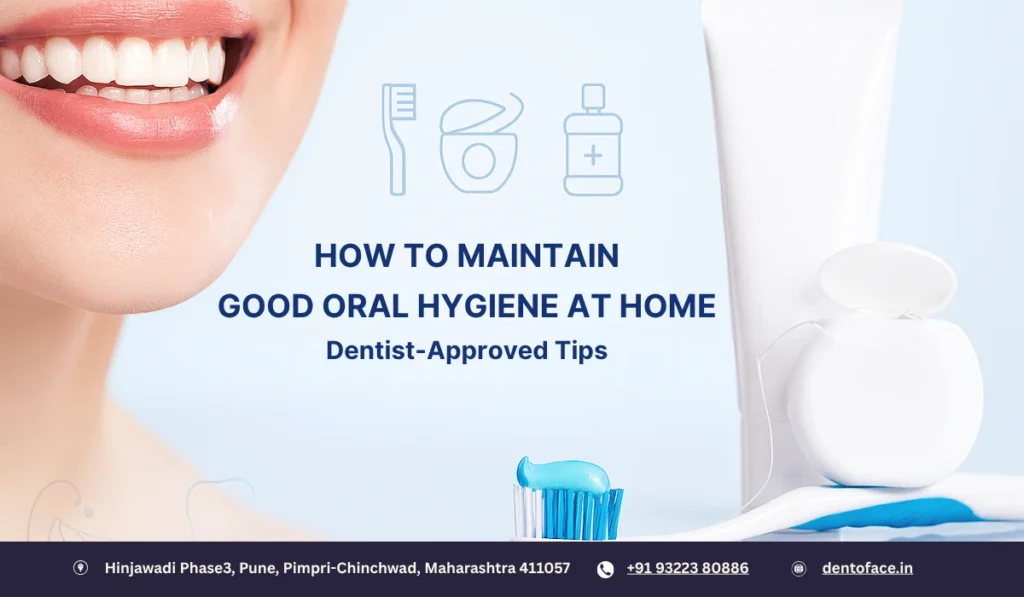
Maintaining good oral hygiene at home is essential for a healthy smile, fresh breath, and long-term protection from dental issues. While visiting your Dentist in Hinjewadi is important for professional cleanings and check-ups, it is your daily oral care routine that truly shapes your dental health.
In this comprehensive guide, you’ll learn dentist-approved oral hygiene practices, mistakes to avoid, natural remedies that actually work, and daily/weekly routines you can follow to keep your teeth and gums strong.
Whether you’re a parent, a busy working professional, or someone looking to improve overall dental wellness, this guide covers everything you need to maintain excellent oral hygiene at home.
Why Good Oral Hygiene Matters
Oral hygiene is more than just brushing your teeth. It affects your overall health, confidence, and daily comfort. Poor oral health can lead to:
- Tooth decay
- Gum disease
- Bad breath (halitosis)
- Tooth sensitivity
- Stained teeth
- Pain and infections
- Long-term health issues like heart disease and diabetes complications
By following the proper home routine, you can prevent most of these problems effectively. Dentists in Hinjewadi approved tips.
Brush Like a Dentist: Perfect Your Brushing Technique
Brushing twice a day is the foundation of oral hygiene, but doing it incorrectly reduces its effectiveness. Here’s how dentists recommend brushing:
✔ Use a Soft-Bristle Toothbrush
Hard bristles can damage enamel and gums. Soft bristles clean gently yet effectively.
✔ Brush for Full Two Minutes
Divide your mouth into four sections and spend 30 seconds on each.
✔ Use a 45-degree Angle
Tilt your brush towards the gum line. This removes plaque that hides under the gum margins.
✔ Don’t Brush Aggressively
Brushing harder does NOT clean better. It only causes gum recession and enamel wear.
✔ Brush Twice a Day, Not More
Overbrushing can damage teeth. Morning and night brushing is ideal.
✔ Replace Your Brush Every 3 Months
Old bristles bend, making brushing less effective.
Choose the Right Toothpaste for Your Needs
Toothpaste plays a crucial role in cleaning your teeth and strengthening enamel. Pick one according to your needs:
- Fluoride toothpaste: Prevents cavities and strengthens enamel
- Desensitizing toothpaste: Helps manage sensitivity
- Whitening toothpaste: Removes surface stains
- Herbal toothpaste: Mild, natural cleaning
Avoid toothpaste with harsh abrasives—they can wear down enamel.
Master the Art of Flossing
Brushing cleans only 60% of your teeth. The remaining 40% (between teeth) requires flossing.
Why Flossing Matters
- Prevents gum disease
- Removes plaque between teeth
- Reduces bad breath
- Prevents cavities between teeth
How to Floss Correctly
- Take 18–20 cm of floss
- Wrap ends around your fingers
- Gently slide it between teeth
- Curve it around each tooth (C-shape)
- Move up and down without harsh snapping
Floss once a day—preferably at night.
Use an Antibacterial Mouthwash
A good mouthwash not only freshens breath but also reaches areas your brush and floss may miss.
Benefits
- Reduces bacteria
- Prevents plaque
- Controls gum inflammation
- Fights bad breath
Choose alcohol-free mouthwash to avoid dryness.
Clean Your Tongue Daily
Your tongue harbors bacteria that cause bad breath and infections.
Use a Tongue Scraper
- Gently scrape from back to front
- Rinse the scraper after each use
- Do it once daily
A clean tongue = fresher breath + better taste sensation.
Adopt a Tooth-Friendly Diet
Your diet is one of the most underestimated factors in oral health.
Foods That Strengthen Teeth
- Dairy: milk, cheese, yogurt
- Fruits & vegetables: apples, carrots, leafy greens
- Nuts & seeds: rich in minerals
- Eggs & fish: vitamin D for strong enamel
- Water: keeps mouth clean and hydrated
Foods to Limit
- Sugary snacks
- Sticky sweets
- Carbonated drinks
- Frequent tea/coffee
- Alcohol
- Tobacco (strictly avoid)
Why Snacking Hurts Teeth
Frequent snacking keeps acid levels high, damaging enamel.
Switch to healthier options or rinse your mouth with water after snacks.
Drink Enough Water Throughout the Day
Dry mouth leads to plaque build-up and bad breath. Water helps:
- Wash away food particles
- Neutralize acids
- Keep saliva flowing
- Maintain fresh breath
Aim for 7-8 glasses daily.
Do Not Ignore Early Signs of Dental Issues
Get professional help if you notice:
✔ Bleeding gums
✔ Persistent bad breath
✔ Sensitivity to hot or cold
✔ Pain while chewing
✔ White or brown spots on teeth
✔ Swelling around gums
Early treatment prevents bigger problems.
Maintain a Consistent Daily Oral Care Routine
Morning Routine
- Brush teeth
- Clean tongue
- Rinse with mouthwash
- Drink water before tea/coffee
Night Routine
- Floss
- Brush teeth
- Scrape tongue
- Fluoride mouthwash (optional)
This ensures 24/7 protection from plaque.
Use Dentist-Approved Oral Care Tools
Switching to the right tools can give significantly better results.
Electric Toothbrush
- Removes plaque more efficiently
- Great for people with braces
- Ideal for children and seniors
Interdental Brushes
Perfect for cleaning wider gaps between teeth.
Water Flossers
Helpful for those with braces, bridges, or gum disease.
Natural Home Remedies That Actually Work
Natural doesn’t always mean safe—but some remedies are dentist-approved when used properly.
✔ Saltwater Rinse
Reduces inflammation and kills bacteria.
Mix 1 teaspoon salt in warm water and rinse for 30 seconds.
✔ Oil Pulling
Helps reduce bacteria and bad breath.
Use coconut oil for 5–10 minutes.
✔ Aloe Vera Gel
Soothes swollen gums (do not swallow).
✔ Green Tea
Contains antioxidants that support gum health.
Avoid dangerous DIYs like:
- Lemon baking soda whitening
- Hydrogen peroxide mixing
- Scrubbing with charcoal
These can permanently damage enamel.
Avoid These Harmful Oral Habits
Some daily habits silently harm your teeth.
- Nail biting
- Chewing ice
- Using teeth to open packages
- Grinding teeth
- Smoking
- Brushing immediately after acidic foods
Break these habits to protect your teeth long-term.
Keep Your Toothbrush Clean
Hygienic storage prevents germs from transferring to your mouth.
- Store in an upright position
- Keep away from other brushes
- Don’t cover with airtight caps
- Rinse thoroughly after each use
Replace immediately if bristles spread or look worn out.
Visit Your Dentist Regularly
Even with the best home routine, professional cleaning is necessary twice a year.
Regular dental visits help detect:
- Cavities
- Gum infections
- Oral cancer symptoms
- Bite alignment issues
- Early tooth wear
If you’re looking for a trusted Dental clinic in Hinjewadi, choose one with experienced doctors, advanced technology, and patient-centric care.
Kids’ Oral Hygiene: Start Early, Guide Consistently
Good habits begin in childhood.
For children:
- Brush twice daily with kid-safe toothpaste
- Replace brushes frequently
- Limit sugary snacks
- Encourage rinsing after meals
- Teach proper brushing technique
For babies:
- Clean gums with a soft cloth
- Introduce brushing as soon as first tooth erupts
Parents must supervise brushing until the child turns 8.
Seniors’ Oral Care Tips
Aging impacts oral health. Seniors should:
- Use fluoride mouthwash
- Stay hydrated
- Manage dry mouth
- Use softer brushes
- Clean dentures properly
- Get regular dental checkups
A Weekly Oral Hygiene Checklist
Use this checklist to keep your oral health in perfect shape.
|
Day |
Task |
|
Daily |
Brush twice, floss once, scrape tongue, drink plenty of water |
|
3 Days a Week |
Antibacterial mouthwash |
|
Weekly |
Inspect mouth for stains, swelling, or bleeding |
|
Monthly |
Replace toothbrush if needed |
| Every 6 Months |
Visit dentist |
Oral Hygiene Myths to Stop Believing
❌ “Brushing harder cleans better.”
Too much pressure damages enamel.
❌ “Flossing is optional.”
Flossing prevents gum disease.
❌ “Mouthwash can replace brushing.”
It cannot remove plaque mechanically.
❌ “Sugar alone causes cavities.”
It’s the frequency of sugar consumption that matters more.
What Happens When You Improve Your Oral Hygiene?
Within just a few weeks, you’ll notice:
- Fresher breath
- Cleaner, whiter teeth
- Reduced bleeding gums
- Less plaque
- Improved confidence
- Stronger enamel
Long term, you protect your teeth from expensive treatments.
Final Thoughts
Build Habits, Stay Consistent, Protect Your Smile
Good oral hygiene is not about doing one thing perfectly—it is about consistently following the right habits.
With the right technique, the right tools, and a disciplined routine, you can keep your teeth and gums healthy for life.
Healthy teeth start at home. Begin today!
Read Here: Top 7 Dental Problems You Shouldn’t Ignore